
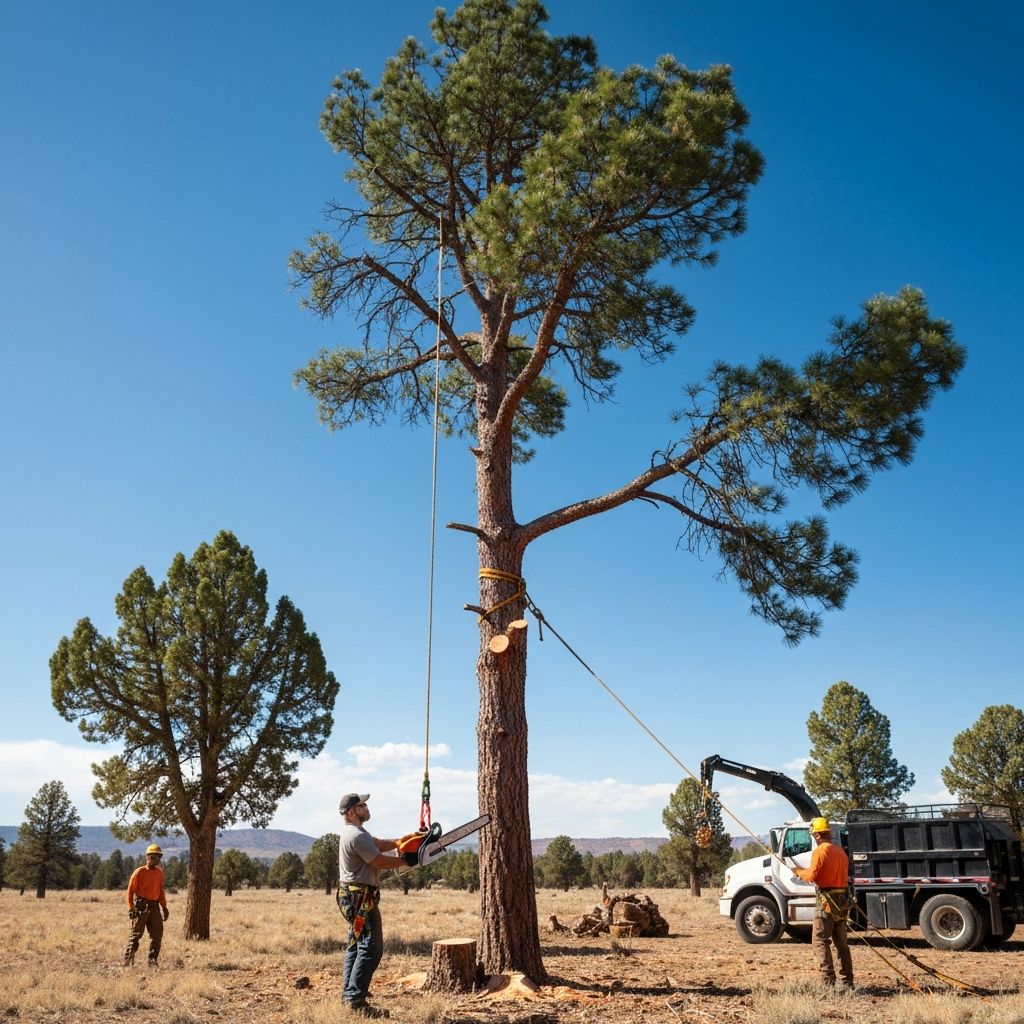
Whether you are clearing trees to prepare for new construction, removing hazardous trees near your home, or thinning your property for fire prevention, understanding the cost to clear trees from land is essential for budgeting your project. Tree removal pricing varies significantly based on tree size, location, condition, and the number of trees being removed.
In this comprehensive guide, we break down tree clearing costs by size and type, explain what factors drive pricing, and help you understand what to expect when hiring professional land clearing services in Bend, Redmond, Sisters, and surrounding Central Oregon communities.
Tree Clearing Cost at a Glance (2026)
Keep reading to learn exactly what affects your tree clearing cost, how different tree sizes impact pricing, and why working with experienced local contractors like Byrd Land Co. can help you save money while ensuring safe, professional removal.
What Is Tree Clearing?
Tree clearing involves the professional removal of trees from a property, whether for safety reasons, construction preparation, or land development. Unlike simple tree trimming, tree clearing typically involves:
- Complete tree felling and removal
- Limb and branch cutting
- Trunk sectioning and lowering
- Wood chipping or debris removal
- Stump grinding or removal (often separate)
For Central Oregon properties, tree clearing often goes hand-in-hand with defensible space creation and brush clearing, especially in wildfire-prone areas throughout Deschutes, Crook, and Jefferson counties.
How Much Does Tree Removal Cost?
The cost to clear trees from land depends primarily on tree size, with taller trees requiring more equipment, time, and safety precautions. Here is what you can expect in 2026:
| Tree Size | Height Range | Average Cost |
|---|---|---|
| Small | Under 30 ft | $150 – $700 |
| Medium | 30 – 60 ft | $600 – $1,200 |
| Large | 60 – 80 ft | $1,000 – $1,800 |
| Extra Large | 80+ ft | $1,500 – $3,000+ |
According to industry data, the national average for tree removal in 2026 is approximately $950 per tree, up from $830 in 2023. This increase reflects rising fuel costs, equipment maintenance, and labor rates.
For Central Oregon properties with multiple trees requiring removal, forestry mulching may be a more cost-effective approach, as it can clear multiple trees and brush in a single pass.
Tree Removal Cost by Tree Type
While tree height is the primary cost factor, the type of tree can also influence pricing. Hardwood trees like oak are denser and harder to cut, while softwoods like pine are generally easier to remove:
| Tree Type | Average Cost | Notes |
|---|---|---|
| Pine Tree | $925 | Common in Central Oregon |
| Oak Tree | $775 | Dense hardwood |
| Maple Tree | $1,150 | Typically taller |
| Juniper | $300 – $600 | Very common in Central Oregon |
| Palm Tree | $725 | Height-dependent |
In Central Oregon, juniper and pine are the most common trees requiring removal. Juniper removal is particularly important for fire mitigation due to the species' high flammability.
What Factors Affect Tree Clearing Cost?
Beyond tree size and type, several factors can significantly impact your final bill:
Tree Location and Accessibility
Trees near buildings, power lines, or in tight spaces require extra caution and specialized equipment. Inaccessible trees can increase costs by 30-50%. Trees in open areas are much easier and cheaper to remove.
Tree Condition
Dead or diseased trees may be easier to cut but can be unpredictable and dangerous. A weakened tree structure may actually reduce costs, while a healthy, strong tree requires more cutting effort.
Trunk Diameter
A thicker trunk takes longer to cut and requires more powerful equipment. Trees with exceptionally thick trunks relative to their height will cost more than trees with proportional dimensions.
Emergency Removal
Storm damage or trees posing imminent danger require urgent response, which can double or triple the normal cost. Emergency crews work outside regular hours and face higher risks.
Fallen Trees
Removing a fallen tree is typically cheaper ($85-$300) than removing a standing tree, as most safety hazards are eliminated. However, if the tree has fallen on a structure, costs increase significantly.
Number of Trees
Clearing multiple trees at once often qualifies for bulk discounts. Contractors can work more efficiently when removing several trees in the same visit.
Tree Removal Cost Per Foot and Per Hour
Some contractors charge by the foot or by the hour rather than per tree. Here is what to expect:
Pricing Breakdown
Most companies set a minimum of 2-3 hours for hourly billing, and per-hour rates work best for jobs with unpredictable scope or multiple smaller trees.
Additional Tree Clearing Services and Costs
Tree removal is often just part of the job. Here are common add-on services to factor into your budget:
Stump Grinding
Grinds the stump 4-6 inches below ground level. Usually not included in base tree removal price.
$158 – $450 per stump
Stump Removal
Complete extraction of stump and root ball. More invasive but leaves cleaner site.
$175 – $516 per stump
Debris Hauling
Removal of all branches, logs, and wood chips from the site. Some companies include basic cleanup.
$50 – $150
Wood Chipping
Debris is processed into mulch that you can use in your yard or garden.
$65 – $125
Log Splitting
Trunk and large branches split into firewood for your use.
$50 – $90
Permits
Some municipalities require permits for tree removal, especially for large or protected trees.
$50 – $150
DIY Tree Removal vs. Hiring a Professional
While removing a small tree yourself might seem like a way to save money, it comes with significant risks and may not actually be cheaper:
DIY Risks to Consider
- Property damage if the tree falls in the wrong direction
- Serious injury from chainsaw accidents or falling branches
- Equipment costs ($400+ for basic gear)
- Potential fines for improper removal in some jurisdictions
- No insurance coverage for damages
The bottom line: For small trees in open areas, DIY equipment costs ($400-$500) may exceed professional rates ($150-$500). For medium to large trees, professional removal is almost always the safer and more cost-effective choice.
Professional arborists carry liability insurance, have proper training, and can complete the job safely and efficiently. If you need multiple trees cleared, consider property clearing services which offer better value than removing trees individually.
How to Save Money on Tree Clearing
Here are practical ways to reduce your tree clearing costs without sacrificing quality:
- Schedule work in late fall or winter when demand is lower and many companies offer discounts
- Bundle multiple trees or combine with other services like brush clearing
- Handle debris removal yourself to save $50-$200
- Call or message Byrd Land Co for a free, no-obligation itemized estimate
- Ask about keeping the wood for firewood instead of paying for hauling
- Consider forestry mulching for clearing multiple trees at once
Get a Free Tree Clearing Estimate
Byrd Land Co. provides professional tree clearing, land clearing, and site preparation services throughout Central Oregon. Contact us for a free on-site estimate and transparent pricing.